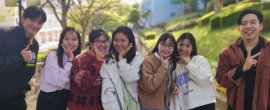

1月に、福島大学の留学生研修旅行に参加し、栃木県を訪れることができました。大学が主催した旅行は、バスでの移動で、グループで一緒に過ごす特別な機会を提供しました。最初の目的地は、伝統と歴史に富む日本の都市、日光市でした。ここでは、将軍の墓を訪れました。将軍の墓の景色は素晴らしく、日本の歴史と文化の豊かな遺産に対する深い尊敬の念を抱かせてくれました。有名な東照宮は、複雑な彫刻、カラフルな絵画、そして彫像で満たされた素晴らしい傑作です。その後も旅を続け、あしかがフラワーパークで開催されているイルミネーションを見にいきました。夜に輝く花々の美しさが生き生きとしていました。これは日本で三大イルミネーションの一つです。この旅は、日本の豊かな遺産を深く理解するとともに、その美しさを存分に楽しむ機会を提供してくれました。
同じく1月には、郡山市の小学生にハンガリーについてのプレゼンテーションをする機会がありました。東京オリンピックの期間中、郡山市はハンガリーの水泳選手のホストタウンであったことから、子どもたちにハンガリーを紹介するように頼まれました。当日は子供たちからハンガリーについての質問をいくつかいただき、私の国に興味を持ってくれたことがとても嬉しかったです!私の発表が将来どこかで彼らの役立つかもしれない有益な知識となれば良いと思います。
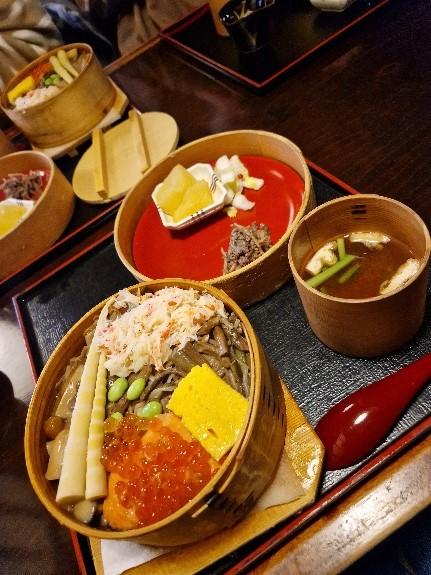
2月、真冬の会津地方を訪れることにしました。まずは雪祭りが開催される大内宿を訪れました。雪まつりはCOVIDの影響で4年ぶりの開催でしたが、江戸時代に建てられた町並みを散歩する素晴らしい体験でした。雪に覆われた屋根、山々、雪で作られた彫刻が本当に冬のワンダーランドにいるような感覚を与えました。もちろん、会津若松市でも散歩しました。鶴ヶ城に行き、キャンドルフェスティバルも見ることができました。城の博物館で地域の歴史を学び、馬刺しやわっぱ飯などの地元の食べ物も試しました。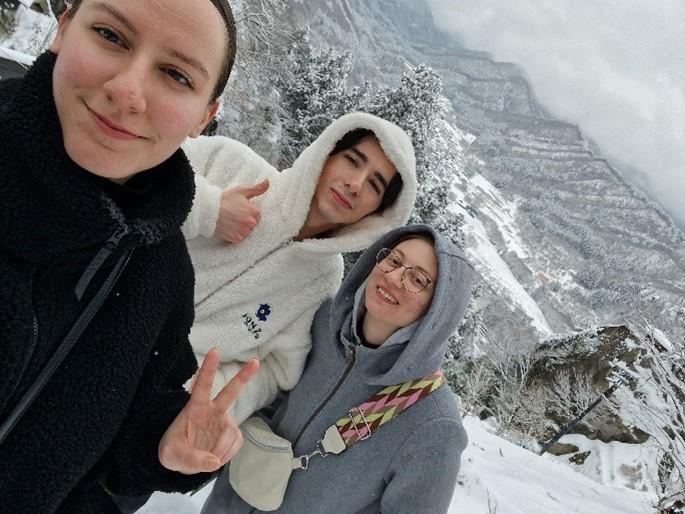
春休みにはJRパスを購入し、青森から静岡まで5日間日本中を旅しました。学生ビザを持つ外国人学生だけがこのパスを購入できるのですが、これは日本をより詳しく知り、人気のない場所を見る絶好の機会だと思います。このパスでは、5日間JRの線路、新幹線を含めて、何度でも利用できます。山形に行って山寺の階段を登り、風情ある温泉街の銀山温泉を見に行き、青森まで行って有名なアップルパイを試しました。
2月末には、再び郡山市役所の紹介でハンガリーの文化を体験する機会がありました。ハンガリー人のシェフを東京から招いて日本人向けに料理教室を開催したのですが、彼らは私もイベントに招待してくれました。久しぶりにハンガリー人と会えて本当に嬉しかったです。私たちはハンガリーの魚料理を作りました。本当に素晴らしい経験であり、日本語でいくつかの新しい料理関連の言葉を学ぶことができました。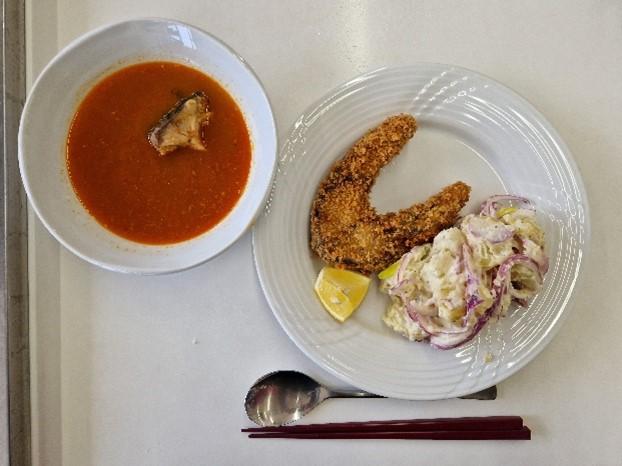
3月は私にとって剣道がすべてでした。国士舘大学での2週間のトレーニングキャンプのために東京に行く機会を得ました。これは私の研究トピックと関連していますが、現在、7月にイタリアで開催される世界剣道選手権の準備しています。
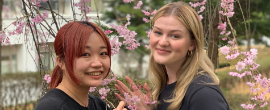
きつい合宿の後、福島が美しさで私を待っていました。4月は花見の季節です。2週間の間、ほぼ毎日桜のある新しい場所を訪れました。福島市の花見山、会津若松の鶴ヶ城、福島市の夜桜、三春の滝桜。宮城の船岡にも千本桜並木を見に行きました。桜の季節は私が期待していた以上でした。その美しさを言葉にすることさえできません。なぜ日本が四季の誇りを持っているのか、ようやく理解し始めています。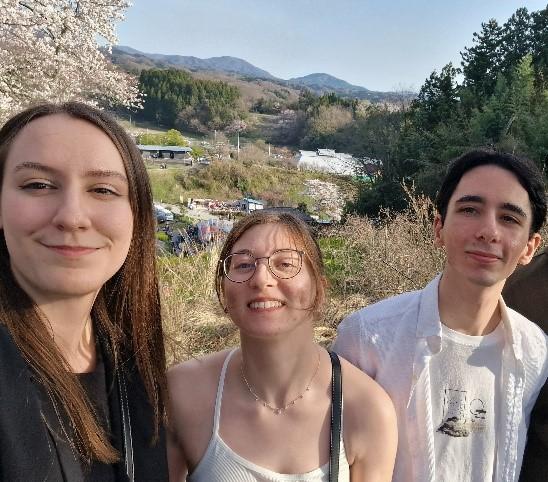
【英語】
In January, thanks to Fukushima University, we visited Tochigi Prefecture. The trip, organized by the university, was conducted by bus, providing a unique opportunity for the group to spend time together. Our first destination was the city of Nikko, a Japanese city rich in tradition and history. Here, we visited the tomb of the shogun. The sight of the shogun's tomb was awe-inspiring and filled us with deep respect as we gained insight into the rich heritage of Japanese history and culture. The famous Toshogu Shrine is an incredible masterpiece, filled with intricate carvings, colorful paintings, and statues. Continuing our journey, we participated in an illumination event held at Ashikaga Flower Park, where the beauty of the illuminated flowers came to life at night. This is one of the three major illuminations in Japan. This trip allowed us to dive deeper into Japan's rich heritage and enjoy its beauty together.
In January, I had the chance to give a presentation about Hungary to elementary school students in Koriyama. During the Olympic Games, Koriyama was the hosting town for Hungarian swimmers, and because of that, the City Hall of Koriyama asked me to introduce Hungary to the students. I even got some questions about Hungary from the children; it was so nice to see that they were interested in my country! I hope I could give them some useful knowledge about Hungary that they can use in some way later in the future.
In February, deep into winter, we decided to visit the Aizu region, especially Ouchi-juku, where they held the annual Snow Matsuri, the first time in 4 years due to COVID. Because of this reason, it was quite crowded, but it was still an amazing experience to walk around houses built in the Edo period. The snow-covered roofs, the mountains, and the sculptures built from snow really gave us the feeling that we are in a winter wonderland. Of course, we walked around in Aizuwakamatsu too. We went to Tsurugajo, where we could see a candle festival too. We had the chance to learn about the region's history in the castle's museum, and we tried local foods, like horse sashimi and wappameshi.
When the spring break started, we purchased a JR pass for the Tohoku region and traveled around Japan for five days from Aomori all the way down to Shizuoka. Only foreign students with a student visa can buy this pass, and I think this is a really great opportunity to learn more about Japan and see less popular places. The pass allows you to travel the JR lines, including the shinkansen, for five days as many times as you want. We traveled to Yamagata to climb Yamadera, we went to see the old onsen district Ginzan Onsen, and we even traveled all the way up to Aomori to try their famous apple pie.
At the end of February, I had the opportunity to experience a Hungarian cultural event once again thanks to the City Hall of Koriyama. A Hungarian chef came from Tokyo to hold a cooking class for Japanese individuals, and they were so kind to invite me too for the event. It was really nice to finally meet some fellow Hungarians again after a long time. We cooked some Hungarian fish dishes. It really was a great experience; I could learn some new cooking-related words in Japanese too.
March for me was all about kendo. I had the chance to travel to Tokyo for two weeks for a training camp at Kokushikan University. I am still grateful that I had this opportunity, not just because kendo in Japan is related to my research topic but also because I am currently training for the World Kendo Championship, which will be held in Italy in July.
After the hard training camp, Fukushima was waiting for me with all its beauty. April was all about cherry blossom viewing. For two weeks, almost every day we visited a new place with cherry blossoms. Hanamiyama in Fukushima city, Aizuwakamatsu's Tsurugajo, night cherry blossoms again in Fukushima city, the thousand-year-old Takizakura in Miharu. We even went to Funaoka in Miyagi to see the Senbonzakura cherry tree row. Sakura season was more than everything I was expecting. I can't even put it into words how beautiful it was. I'm starting to understand why Japan is so proud of its four seasons.
 福島大学への留学案内・年間スケジュール