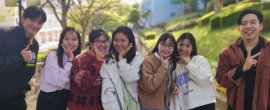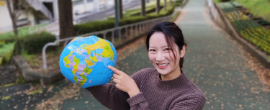







私は現在、交換留学生として福島大学で学びの日々を過ごしています。母国では中国文学を専攻しており、同時に日本文学や文化についても深い関心を持って研究を続けてきました。漢字文化圏という共通の基盤を持ちながら、独自の発展を遂げた日本の美意識を肌で感じることは、今回の留学における最大の目的の一つです。 福島県での生活が数ヶ月を過ぎた頃、私は秋の訪れとともに二本松市にある「二本松城(霞ヶ城公園)」を訪れました。この場所で目にした風景と、そこから得た文学的なインスピレーションは、交換留学生としての私の視座を大きく広げる貴重な体験となりました。
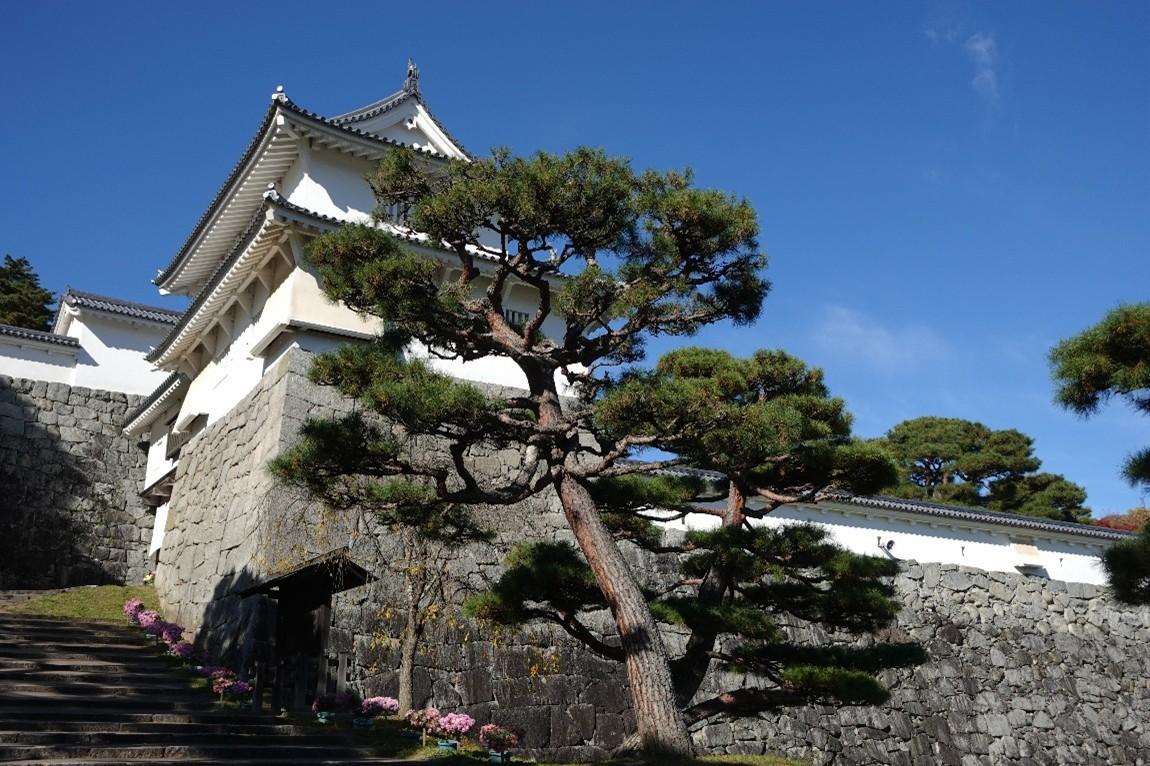
福島駅から電車で数十分、二本松駅を降りて城跡へと向かう道中、私はその地の歴史の深さを感じずにはいられませんでした。二本松城に到着して最初に私を圧倒したのは、その堅牢な石垣の美しさです。高く積み上げられた石の壁は、かつての戊辰戦争という激動の時代、そして多いの困難を乗り越えてきた強さを無言で語っています。 中国文学を専攻する者として、私は歴史的な遺構を単なる「古い物」としてではなく、当時の人々の志や物語が刻まれた「テキスト」として捉えています。再建された箕輪門の前に立ったとき、現代の穏やかな福島の中に、突如として江戸時代の空気が立ち現れたような不思議な感覚を覚えました。このような「過去」と「現在」が地続きになっている空間こそ、文学を学ぶ者にとって最高の学び舎であると感じました。
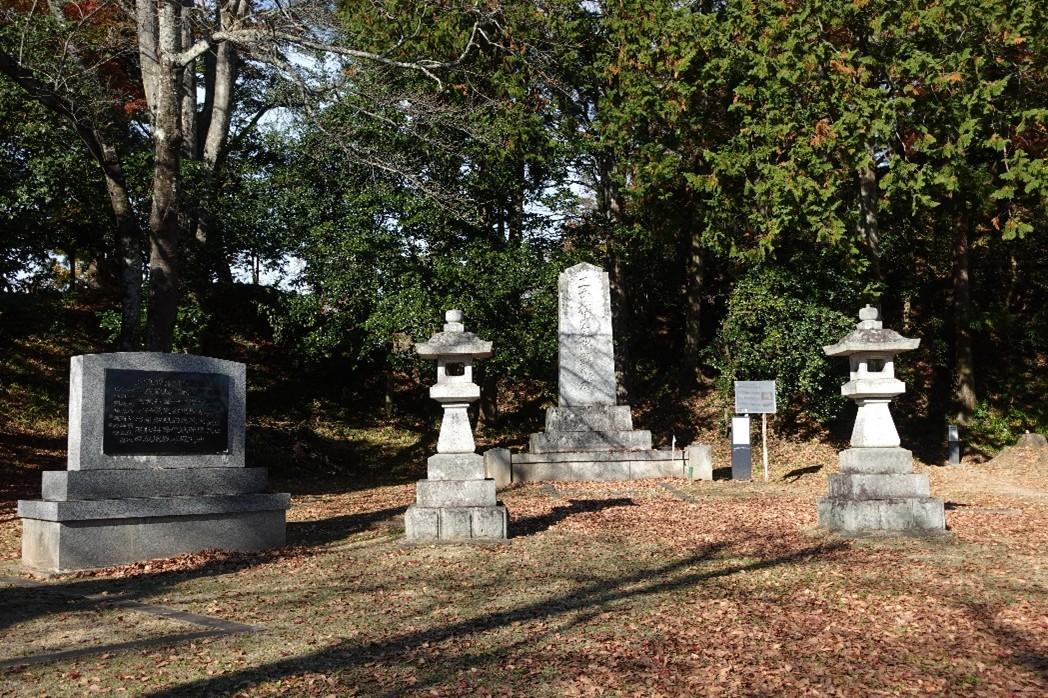
私が訪れたのは、山々が燃えるように色づく秋の盛りでした。城内は鮮やかな紅葉と銀杏に彩られ、風が吹くたびに色とりどりの落葉が古い石垣の上を舞い踊っていました。その風景は、まさに一幅の山水画のように美しく、言葉を失うほどでした。 中国文学において、秋の落葉はしばしば「無常」や「孤独」、あるいは「人生の黄昏」を象徴する悲劇的なモチーフとして描かれます。例えば、杜甫や白居易の詩に現れる秋は、どこか重苦しく、去りゆくものへの執着が感じられることが多いです。しかし、二本松城で目にした落葉は、どこか温かみがあり、消えゆく瞬間の美しさを肯定しているように感じられました。 これこそが、日本文学の真髄である「物の哀れ」なのだと直感しました。形あるものが移ろいゆくことを単に悲しむだけでなく、その一瞬の儚さの中に極致の美を見出す独自の感性。教室で古典を読んでいるだけでは決して到達できなかったこの深い理解は、福島という土地で実際に風を感じ、歴史の跡に触れたからこそ得られたものです。
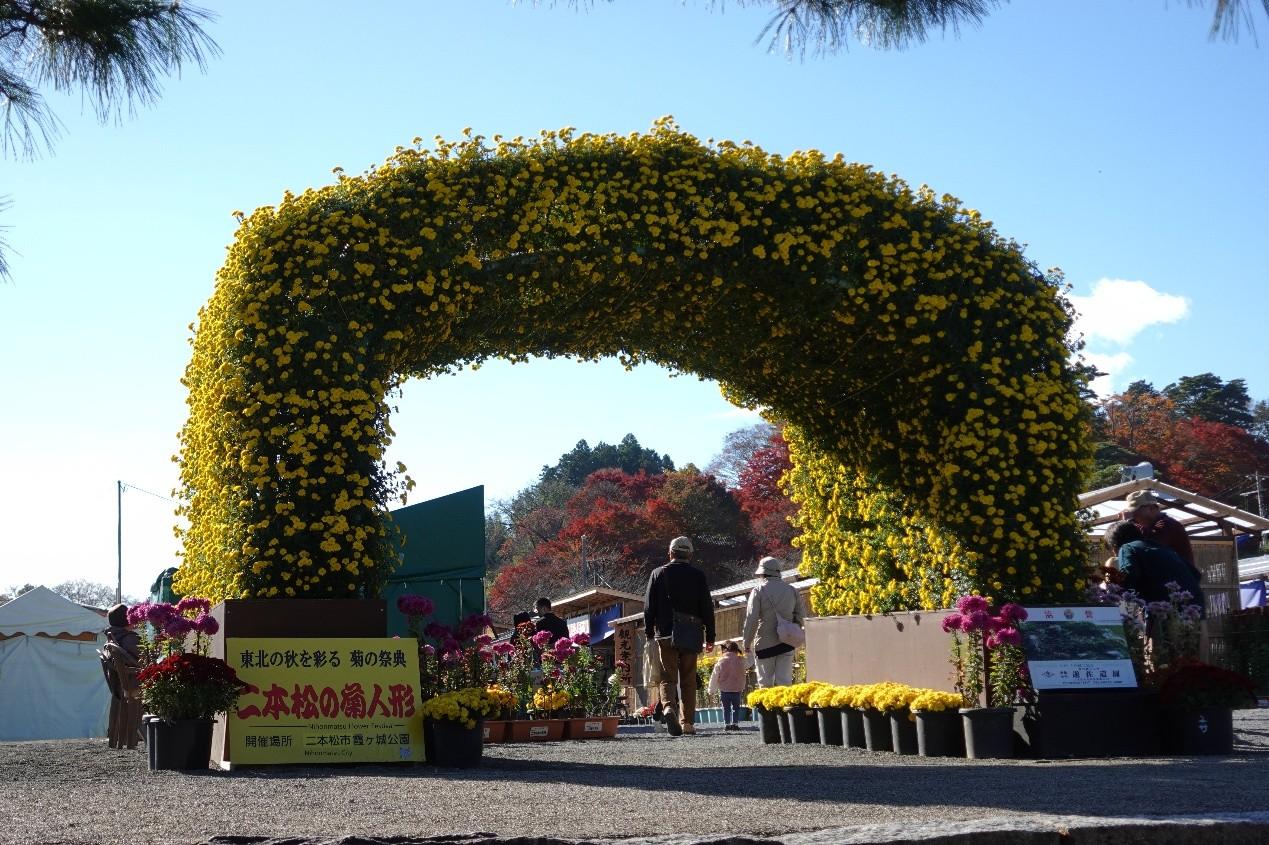
二本松城最も感銘を受けたのは、この史跡がいかに地域の人々の生活に密着しているかという点です。霞ヶ城公園は、ただの観光地ではなく、地元の人々が日常的に散歩を楽しみ、子供たちが写生に励み、高齢者の方々が静かに談笑する「生活の場」となっていました。 二本松少年隊という悲劇的な歴史を背負いながらも、現在は誰もがリラックスできる場として活用されている姿に、日本社会の「再生」と「継承」のしなやかな力を読み取ることができました。文学や歴史は、博物館の中に閉じ込められるものではなく、人々の暮らしの中に溶け込み、精神的な支柱として機能しているのだと確信しました。これは、現代社会における文化財保護のあり方としても、非常に示唆に富む体験でした。
二本松城で過ごした秋の日々は、福島大学での交換留学生活における忘れがたい思い出の一つとなった。中国文学専攻の視点から日本の地域文化に直接触れることで、アジア全体の美意識について多角的な考察を深めることができた。2027年の卒業を見込み、台湾帰国後もまだ1年の学業が残る私にとって、この留学で得た「体感知識」は、今後の学術研究とキャリアにおいてかけがえのない財産となるでしょう。残りの留学期間中、私は引き続き福島の豊かな自然と文化を感じ取り、中国文学の専門知識を活かし、日中両国の文学・文化交流の架け橋となるよう努めてまいります。
I am currently spending my days studying at Fukushima University as an exchange student. In my home country, I majored in Chinese literature while also pursuing research with a deep interest in Japanese literature and culture. One of the primary goals of this exchange program is to experience firsthand Japan's unique aesthetic sensibility, which has developed independently despite sharing the common foundation of the Chinese character cultural sphere. After several months of life in Fukushima Prefecture, I visited Nihonmatsu Castle (Kasumigajo Park) in Nihonmatsu City as autumn arrived. The scenery I witnessed there and the literary inspiration it sparked became a valuable experience that greatly broadened my perspective as an exchange student.
After a short train ride from Fukushima Station, I disembarked at Nihonmatsu Station. On the way to the castle ruins, I couldn't help but feel the profound depth of the area's history. Upon arriving at Nihonmatsu Castle, what first overwhelmed me was the beauty of its sturdy stone walls. The towering stone barriers silently spoke of the strength that had weathered the turbulent times of the Boshin War and countless other hardships. As a student of Chinese literature, I view historical ruins not merely as "old things," but as "texts" inscribed with the aspirations and stories of those who lived then. Standing before the reconstructed Minowa Gate, I felt a strange sensation--as if the atmosphere of the Edo period had suddenly materialized within modern, tranquil Fukushima. I sensed that such spaces, where "past" and "present" are seamlessly connected, are the finest classrooms for those who study literature.
I visited during the height of autumn, when the mountains blazed with color. The castle grounds were painted with vivid autumn leaves and ginkgo trees, and with every breeze, multicolored fallen leaves danced across the ancient stone walls. The scene was breathtakingly beautiful, like a landscape painting, leaving me speechless. In Chinese literature, autumn leaves often symbolize tragic motifs like "impermanence," "loneliness," or "the twilight of life." For instance, the autumn depicted in the poetry of Du Fu or Bai Juyi often carries a sense of heaviness, tinged with a lingering attachment to what is fading away. Yet, the falling leaves I witnessed at Nihonmatsu Castle possessed a certain warmth, as if affirming the beauty of that fleeting moment. I intuitively felt this was the very essence of "mono no aware," the heart of Japanese literature. It's a unique sensibility that doesn't merely mourn the transience of tangible things, but finds supreme beauty within that fleeting ephemerality. This profound understanding, unattainable merely by reading classics in a classroom, was gained precisely by feeling the wind and touching the traces of history in the land of Fukushima.
What impressed me most while exploring Nihonmatsu Castle was how deeply this historic site is woven into the lives of local people. Kasumigajo Park is not merely a tourist spot; it has become a "place of daily life" where locals enjoy regular strolls, children diligently sketch, and elderly people quietly chat. Despite bearing the tragic history of the Nihonmatsu Boys' Corps, the site is now utilized as a place where anyone can relax. In this, I could discern the resilient power of "regeneration" and "inheritance" within Japanese society. I became convinced that literature and history are not things to be locked away in museums; they blend into people's lives and function as spiritual pillars. This was an experience rich in implications for how cultural properties should be preserved in modern society.
The autumn days spent at Nihonmatsu Castle became one of the unforgettable memories of my exchange student life at Fukushima University. Directly experiencing Japanese regional culture from the perspective of a Chinese literature major allowed me to deepen my multifaceted contemplation of aesthetic sensibilities across Asia. With graduation anticipated in 2027 and one year of studies remaining after returning to Taiwan, the "firsthand knowledge" gained through this exchange will undoubtedly become an invaluable asset for my future academic research and career. During my remaining time abroad, I will continue to immerse myself in Fukushima's rich nature and culture, leveraging my expertise in Chinese literature to strive to become a bridge for literary and cultural exchange between Japan and Chinese.
 福島大学への留学案内・年間スケジュール